
Leak detection is a critical aspect of maintaining the integrity of any property or infrastructure. Whether it's a domestic water system, industrial pipeline, or building structure, identifying leaks early can prevent costly damage and ensure the safety of the premises. In Scotland, leak detection is becoming increasingly sophisticated with the use of acoustic and thermal imaging technologies. These methods have revolutionized how professionals approach the identification of hidden leaks, making the process quicker, more accurate, and less invasive. Leak detection in Scotland has seen great advancements thanks to these technologies, which can pinpoint leaks without the need for destructive digging or extensive disruption. This has made it an essential service for both residential and commercial sectors in the region.
Leak detection is crucial for preserving the integrity of systems that rely on pipes, tanks, and other infrastructure that are prone to wear and tear over time. Acoustic leak detection works by using sound waves to detect leaks in pipes and other systems, while thermal imaging identifies leaks by detecting temperature differences caused by moisture or water escaping from the system. Together, these techniques provide a powerful toolkit for professionals to address and resolve issues promptly. The application of acoustic and thermal imaging technologies has elevated leak detection in Scotland, providing experts with the means to locate and repair leaks efficiently, often without causing disruption to the property or surrounding environment.
The Role of Acoustic Leak Detection
Acoustic leak detection is one of the most commonly used methods for identifying leaks, particularly in plumbing and pipeline systems. This technique relies on the principle that when a leak occurs, it produces a sound that can be detected by specialized equipment. The sound waves from the leak travel through the pipe or surrounding material, and with the help of sensors, these sounds can be pinpointed to the exact location of the leak. Acoustic Leak Detection in Scotland is widely used in both residential and commercial settings due to its efficiency and minimal disruption.
Acoustic sensors can be placed at different points along a pipe, and the data collected is analyzed to identify the leak’s source. This method is especially useful for detecting leaks in areas that are difficult to access or where the piping is buried underground. By using acoustic technology, professionals can locate the leak with high precision, reducing the need for excavation and ensuring that repairs can be done quickly and accurately. Scotland’s leak detection experts have adopted this technology to provide a more effective and less intrusive approach to fixing leaks.
The Benefits of Thermal Imaging in Leak Detection
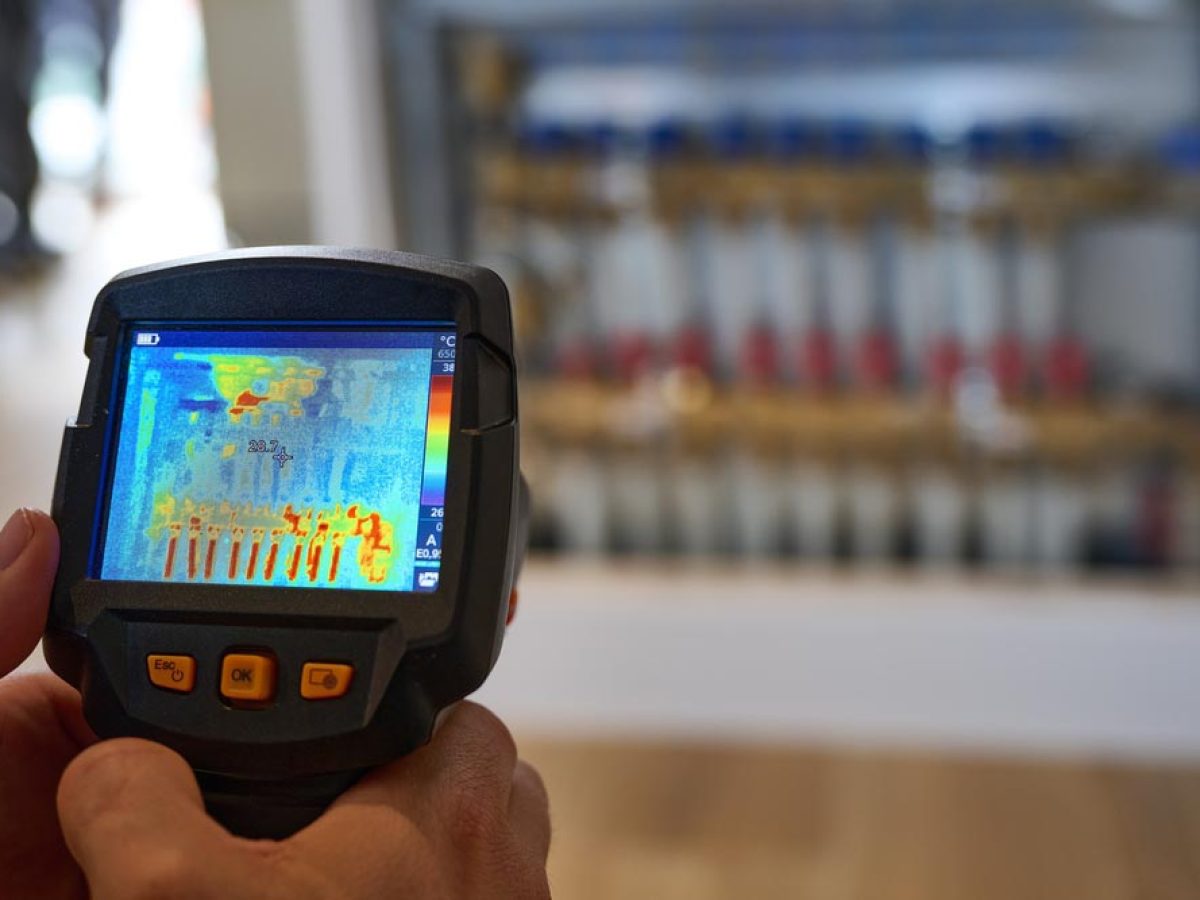
Thermal imaging, or infrared thermography, is another highly effective method of leak detection. This technique involves using a thermal camera to capture images of temperature variations across a surface. Water leaks, even those that are hidden behind walls or underground, often cause temperature differences in the surrounding material. The thermal imaging camera detects these differences, making it possible to identify leaks even in areas that would otherwise be difficult to inspect.
In Scotland, thermal imaging is used in a variety of applications, from detecting leaks in heating systems to identifying moisture damage in building structures. By revealing the temperature anomalies caused by leaks, this method provides professionals with a non-invasive way to pinpoint the source of a problem. Thermal imaging can also be used in conjunction with acoustic leak detection for more thorough inspections, offering a more comprehensive understanding of the issue and helping to ensure that the right repair methods are employed.
How Leak Detection Can Save Money and Prevent Damage
Leak detection plays a vital role in preventing long-term damage to properties and infrastructure. When leaks go undetected for long periods, they can lead to significant water damage, mold growth, and even structural instability. In addition, undetected leaks in industrial systems or water utilities can lead to wasted resources and increased operational costs. The ability to identify and repair leaks quickly can help save money on both repairs and water bills.
By using advanced leak detection techniques like acoustic and thermal imaging, professionals in Scotland can prevent these costly issues from arising. Early detection of leaks means that repairs can be made before they escalate into more serious problems. For example, a small water leak that goes unnoticed for months could eventually result in expensive structural repairs, mold remediation, or even the collapse of part of a building. However, with leak detection technologies, these issues can be addressed before they reach that point.
The Future of Leak Detection in Scotland
As technology continues to advance, the future of leak detection in Scotland looks even more promising. Acoustic and thermal imaging technologies are continuously improving, with new developments making them more accurate and accessible than ever before. The integration of artificial intelligence (AI) and machine learning into leak detection systems is one area where significant advancements are being made. AI can analyze the data collected by acoustic and thermal devices to identify leaks with even greater precision and predict potential issues before they occur.
In the future, we may also see an increase in the use of drones and robotics for leak detection. Drones equipped with thermal imaging cameras and sensors could be used to inspect hard-to-reach areas, such as roofs, industrial tanks, and large water pipelines. These innovations will continue to make leak detection in Scotland more efficient and effective, ensuring that both homeowners and businesses have access to the most advanced tools for protecting their properties.
Conclusion
Leak detection is an essential service for protecting property and infrastructure from water damage and other costly issues. In Scotland, acoustic and thermal imaging technologies have become indispensable tools for professionals in the field. These advanced methods allow for quick, accurate, and non-invasive identification of leaks, ensuring that repairs can be made with minimal disruption. By investing in leak detection, property owners can avoid expensive damage and ensure the longevity of their systems. As technology continues to evolve, leak detection in Scotland will only become more efficient, helping to safeguard the future of homes and businesses alike.