
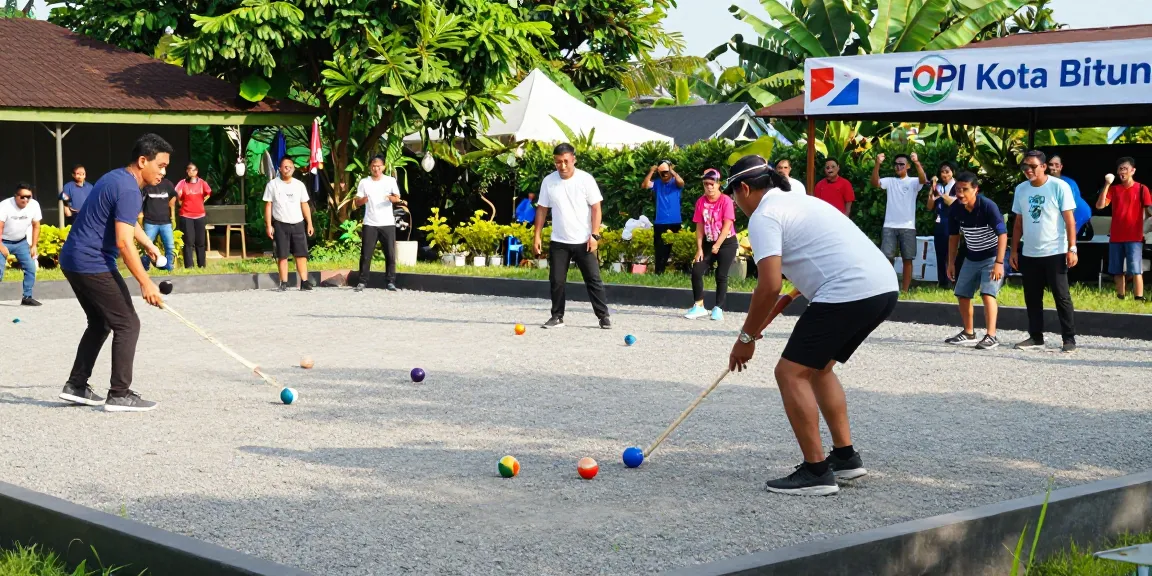
Understanding Petanque: History and Significance
Petanque, a traditional French game, has evolved into a beloved sport embraced worldwide, particularly in Indonesia. The game, which combines strategy, precision, and skill, challenges players to toss metal balls as close as possible to a target. The origins of petanque trace back over a century, yet its journey in Indonesia is relatively new and fascinating. As an organization dedicated to the growth of this intriguing game, fopikotabitung.org serves as a hub for those passionate about petanque in Kota Bitung.
Introduction to Petanque's Origins
Petanque originated in the South of France in the early 20th century, evolving from an older game called Jeu Provençal. It is characterized by its distinct form of play, where players stand within a circle and throw their boules underhand. The game’s popularity surged in France and spread across Europe, eventually reaching parts of Asia.
History of Petanque in Indonesia
Petanque made its way to Indonesia primarily through French expatriates who introduced the sport to social clubs and hotels. Notable establishments, including the Hotel Novotel in Kuta and various locations in Jakarta, played a pivotal role in popularizing petanque among the expatriate community. Despite its slow start, the sport gained momentum in the 1990s, primarily among expatriates, until it received a significant boost during the SEA Games in 2011 when it became a mandatory sport for competing nations.
The Role of FOPI Kota Bitung in Development
Formed under the auspices of the Indonesian Petanque Federation (FOPI), FOPI Kota Bitung aims to foster the sport at a local level. By organizing training and competitions, they provide a platform for both beginners and seasoned players to engage with the sport. Their efforts have been instrumental in not just enhancing skills but also in spreading awareness about petanque in local communities.
The Rules of Petanque: Gameplay Essentials
Understanding the rules of petanque is crucial for both newcomers and seasoned players. The fundamentals of the game focus on skill and strategy rather than just physical strength, making it accessible to a wide audience.
Basic Rules and Regulations
The game typically involves two to four players or groups. The objective is straightforward: players must take turns throwing their boules to land closest to a small target ball known as the "cochonnet." The team with the closest boule to the cochonnet secures points. A game is played until a team reaches 13 points, although different formats may apply in tournaments.
Understanding Scoring and Match Formats
Scoring in petanque is simple yet tactical. For each round, points are awarded based on the number of boules that are closer to the cochonnet than those of the opposing team. The format can vary, with players often using a 'triplettes' format (three players per team) or 'doublettes' (two players per team).
Common Mistakes Made by New Players
New players often struggle with the underhand throw technique, focusing too much on power rather than precision. Additionally, not practicing proper stance and foot placement can lead to inaccurate throws. Understanding the importance of these aspects can significantly improve their performance.
Training for Success: Developing Skills
Training is key to excelling in petanque. As in any sport, consistent practice helps players refine their skills and strategies, leading to better overall performance in competitions.
Essential Techniques for Beginners
Beginners should focus on mastering the basic throwing techniques. The grip on the boule is crucial; players should practice throwing both straight and curved shots. Understanding the terrain and how it affects the boule's movement will greatly enhance a player's ability to adapt during gameplay.
Advanced Strategies for Competitive Play
As players become more experienced, incorporating tactics such as defensive placements and strategic blocking becomes essential. Advanced players might also analyze their opponent's throwing style to anticipate their moves and counter them effectively.
Importance of Regular Practice and Drills
Regular practice sessions that include various drills can help players develop muscle memory and improve their accuracy. It also fosters a deeper understanding of game dynamics, which is crucial during competitive play.
Community Engagement: Building a Petanque Network
Community plays a vital role in growing any sport. In petanque, local organizations and clubs are instrumental in fostering talent and building a strong network of players.
Role of Clubs and Local Organizations
Clubs such as FOPI Kota Bitung are crucial for establishing a sense of community among players. They not only provide a space for practice and tournaments but also encourage social interactions and connections that enhance the enjoyment of the sport.
Participating in Tournaments and Events
Tournaments organized by local clubs are excellent opportunities for players to test their skills. These events also serve as platforms for aspiring athletes to gain recognition and compete at higher levels.
Opportunities for Youth and Beginners
Efforts to engage younger audiences are essential for the sport's future. FOPI Kota Bitung offers training programs that cater specifically to youth, ensuring that petanque continues to grow by developing new talent.
The Future of Petanque in Indonesia: Trends and Predictions
The outlook for petanque in Indonesia is promising, with increasing awareness and interest in the sport. The next few years could see substantial growth as more players engage with the community.
Emerging Players and Teams to Watch
As more players take up petanque, several promising teams are starting to emerge from various local clubs. Noting up-and-coming talent is essential for the growth of competitive play in the region.
Potential Growth of the Sport in 2026
With more structured training programs and increased exposure through events, the potential for petanque in Indonesia to thrive is high. Expected developments include more youth engagement and the establishment of more clubs across the nation.
FOPI's Vision for the Future of Petanque
FOPI Kota Bitung seeks to enhance the sport further by promoting inclusivity and accessibility. Their vision includes expanded outreach and development programs designed to bring petanque to even more communities.
What Drives the Popularity of Petanque?
Petanque's appeal lies in its simplicity and social nature. The game's inclusivity allows people of all ages and abilities to participate, fostering a welcoming atmosphere that encourages more people to join in.
How Can New Players Get Involved?
New players can easily get involved by visiting local clubs and participating in introductory sessions. Many clubs offer beginner programs that are tailored to help newcomers learn the basics and integrate into the community.
What Equipment Do You Need to Start Playing Petanque?
To start playing petanque, all you need is a set of boules and a cochonnet. Beginners can often rent boules at local clubs before investing in their own set, allowing them to get a feel for the game.
Are There Any Local Petanque Clubs to Join?
Yes, Kota Bitung has clubs like FOPI Kota Bitung, which actively welcomes new members. Joining these clubs provides not only access to training but also the opportunity to participate in friendly matches and tournaments.
What Events Does FOPI Kota Bitung Organize?
FOPI Kota Bitung organizes regular competitions, training workshops, and social events, all designed to foster community engagement and enhance skill development.
How Can I Improve My Petanque Skills?
Improving petanque skills requires regular practice, learning from experienced players, and participating in various competitive formats to gain experience. Moreover, seeking feedback and adapting strategies based on gameplay observations can significantly enhance performance.