Understanding the Basics of Slab Leaks
When it comes to maintaining a safe and comfortable home, addressing a leak in concrete floor is critical. A slab leak typically occurs when plumbing pipes situated beneath a home's concrete slab foundation—often made of copper—corrode and begin to leak. Understanding the nuances of slab leaks is essential for any homeowner, as these issues can lead to significant consequences if not handled promptly. This article delves deep into slab leaks, their causes, signs, detection methods, repair options, and preventative measures.
What Is a Leak in Concrete Floor?
A leak in a concrete floor, commonly referred to as a slab leak, is a situation where water is released from pipes laid beneath a concrete slab foundation. This leakage can arise from various plumbing materials, with copper pipes being the most affected due to corrosion over time. The harsh conditions under the concrete, including temperature fluctuations and ground movement, often exacerbate the deterioration of these pipes. Moreover, slab leaks can result in water pooling, causing further damage to the structural integrity of the home.
Common Causes of Slab Leaks
Several factors can lead to slab leaks, including:
- Corrosion: Over time, materials used in plumbing, like copper, can corrode due to water chemistry or electrolysis, leading to leaks.
- Soil shifts: Changes in the soil beneath a slab can exert pressure on pipes, causing them to crack or rupture.
- Poor plumbing installation: Inadequate installation practices can lead to weak points in the plumbing system that are susceptible to leaks.
- Temperature fluctuations: Extreme temperature changes can cause pipes to expand and contract, which eventually leads to cracks or leaks.
Signs Indicating a Leak Under the Concrete
Identifying a slab leak early can save homeowners significant amounts in repairs. Consider these common signs:
- Increased water bills: A sudden spike in water bills without any significant change in usage could indicate a hidden leak.
- Damp spots or pooling water: If you notice wet areas on or around your concrete floor, it could signify an underlying leak.
- Mold growth: Mold or mildew can thrive in damp conditions, often indicating a leak that needs immediate attention.
- Warm flooring: If your floor feels warm to the touch, this could indicate a hot water line leak beneath the slab.
Detecting a Leak in Concrete Floors
Detecting a leak in your concrete floors requires the right expertise and tools, especially for homeowners who may not regularly deal with plumbing issues. The Leak Hunter specializes in using advanced technologies to ensure precise leak detection without causing unnecessary damage to your property.
Advanced Technology for Leak Detection
Modern leak detection technologies play a crucial role in accurately locating slab leaks. These include:
- Pressure Testing: This method checks for pressure changes in isolated sections of pipework to pinpoint leak locations.
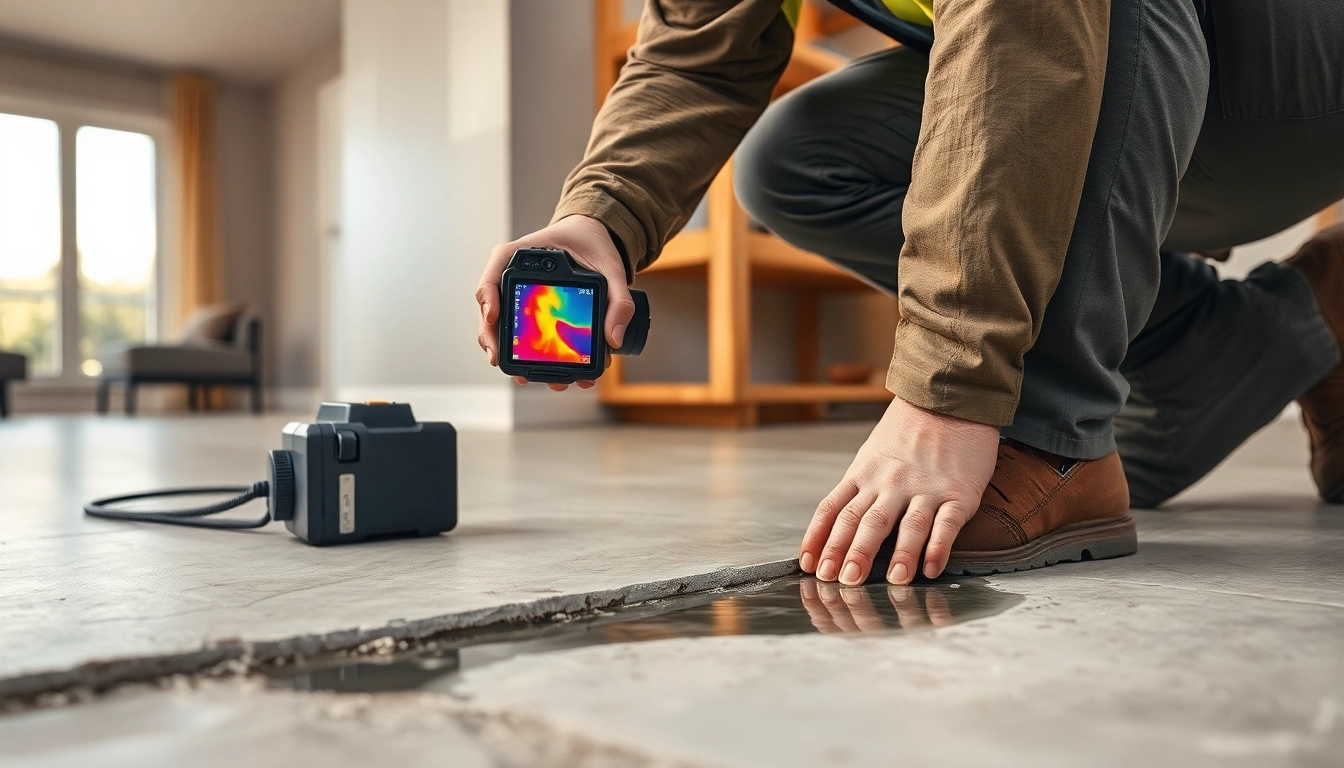
- Thermal Imaging Cameras: These cameras detect temperature variations in walls and floors, indicating potential leak areas.
- Acoustic Listening Devices: These tools can pick up the sound of escaping water, even when the pipes are buried underground.
- Tracer Gas Detection: Introducing a safe, odorless gas into the pipework allows detection of even the smallest leaks.
- Moisture Mapping: This technology helps identify the extent of water damage and pinpoints areas of concern.
DIY Inspection Techniques for Homeowners
Homeowners can take several preliminary steps to identify possible slab leaks. Here are some DIY techniques:
- Check for dampness: Regularly inspect areas of your floor for any signs of moisture or mold.
- Monitor your water meter: Turn off all faucets and check the water meter; if it continues to move, a leak is present.
- Look for cracks: Inspect the concrete slab for cracks that are not from natural settling.
When to Call a Leak Detection Specialist
If you suspect a leak in your concrete flooring, it’s time to call a professional leak detection specialist. While some issues may be manageable, many require the expertise of certified technicians who can accurately diagnose and repair the problem. Quick action minimizes damage and repair costs.
Repair Options for Concrete Floor Leaks
Once a leak has been detected, determining the best repair method is crucial. Various options are available, depending on the severity of the leak and the underlying cause.
Traditional Methods for Leak Repair
Traditional slab leak repairs often involve significant disruption. These methods include:
- Jackhammering: This involves breaking through the concrete slab to access piping directly, allowing for repairs at the source.
- Excavation: Sometimes, digging tunnels beneath the slab can provide access to the pipes without damaging the surface.
Innovative Solutions for Minimal Disruption
With advancements in technology, there are now less invasive methods for repairing slab leaks:
- Pipe Lining: This method involves creating a new pipe within the existing damaged pipe, eliminating the need for large-scale excavation.
- Pipe Bursting: Here, a new pipe is pulled through the old one, which is broken apart, minimizing the impact on your home.
Cost Considerations and Repair Timeline
The cost of repairs for a leak in a concrete floor can vary significantly based on the detection method, repair technique, and extent of damage. On average, homeowners should anticipate spending between $2,000 and $5,000. Moreover, the timeline for repairs can vary. While some methods may take just a few hours, others—especially traditional methods—may require several days for a complete fix.
Preventing Future Concrete Floor Leaks
Prevention is often more cost-effective than dealing with repairs. Here are best practices to consider:
Best Practices for Home Plumbing Maintenance
Ensuring your plumbing system is in good condition can reduce the risk of leaks significantly. Regular maintenance checks, including examining exposed pipes for signs of wear, can help.
Upgrading Your Home’s Plumbing System
Consider upgrading outdated plumbing materials to more robust options. PEX pipes, for instance, are more resistant to corrosion and are less likely to develop leaks compared to more traditional materials.
Importance of Regular Professional Inspections
Scheduling routine inspections with a professional leak detection service can catch potential problems before they escalate, saving you time and money in the long run.
Future Trends in Leak Detection Technology
As technology evolves, so do methods for detecting and repairing slab leaks. Emerging trends will significantly enhance how homeowners manage these issues.
Emerging Technologies for 2025 and Beyond
Future leak detection will increasingly rely on machine learning algorithms and enhanced sensor technologies that can provide real-time updates on water usage and potential leaks, thus increasing efficiency in monitoring.
How Smart Home Devices Can Help
Smart water leak detectors can alert you to the presence of moisture in your home via smartphone notifications, allowing for swift action before any serious damage occurs.
The Role of Artificial Intelligence in Leak Detection
Artificial intelligence will play a growing role in leak detection by analyzing patterns in water usage and predicting potential failures before they happen, revolutionizing home plumbing management.