

Understanding Leak Detection: Importance and Methods
Leak detection is a critical aspect of maintaining the integrity and safety of your home. As homeowners, understanding how to effectively identify and deal with leaks can save you significant time, money, and stress. Whether you are facing a hidden water leak, a gas leak, or issues with your heating systems, the importance of timely leak detection cannot be overstated. With advanced technologies and specialized techniques now available, professional leak detection services can provide you with a comprehensive analysis of your property’s plumbing and gas systems. When exploring options, leak detection services can help ensure the safety and efficiency of your home.
1. What is Leak Detection?
Leak detection is the process of identifying and locating leaks within various systems in domestic properties, including water, gas, and heating systems. This process utilizes both traditional and advanced methods to diagnose issues that may not be immediately obvious. By employing specialized tools and techniques, professionals can pinpoint the source of a leak, allowing for prompt repairs and mitigation of potential damage.
2. Why is Timely Leak Detection Critical?
Detecting leaks promptly is essential for several reasons:
- Prevent Structural Damage: Leaks can lead to significant water damage, mold growth, and compromised structural integrity.
- Reduce Repair Costs: Early detection often allows for cheaper repairs, as extensive damage can be avoided.
- Conserve Resources: Leaks can lead to wasted water and increased utility bills. Detecting them early helps conserve these resources.
- Ensure Safety: Gas leaks pose significant safety risks, and timely detection is crucial for preventing hazardous situations.
3. Common Methods for Leak Detection
There are various methods employed in leak detection, ranging from manual inspections to advanced technological solutions. Here are some common techniques:
- Visual Inspections: Professional technicians often start with visual inspections to identify signs of leaks, such as water stains or damp spots.
- Pressure Testing: This method involves monitoring pressure changes in pipe systems to identify where leaks may be occurring.
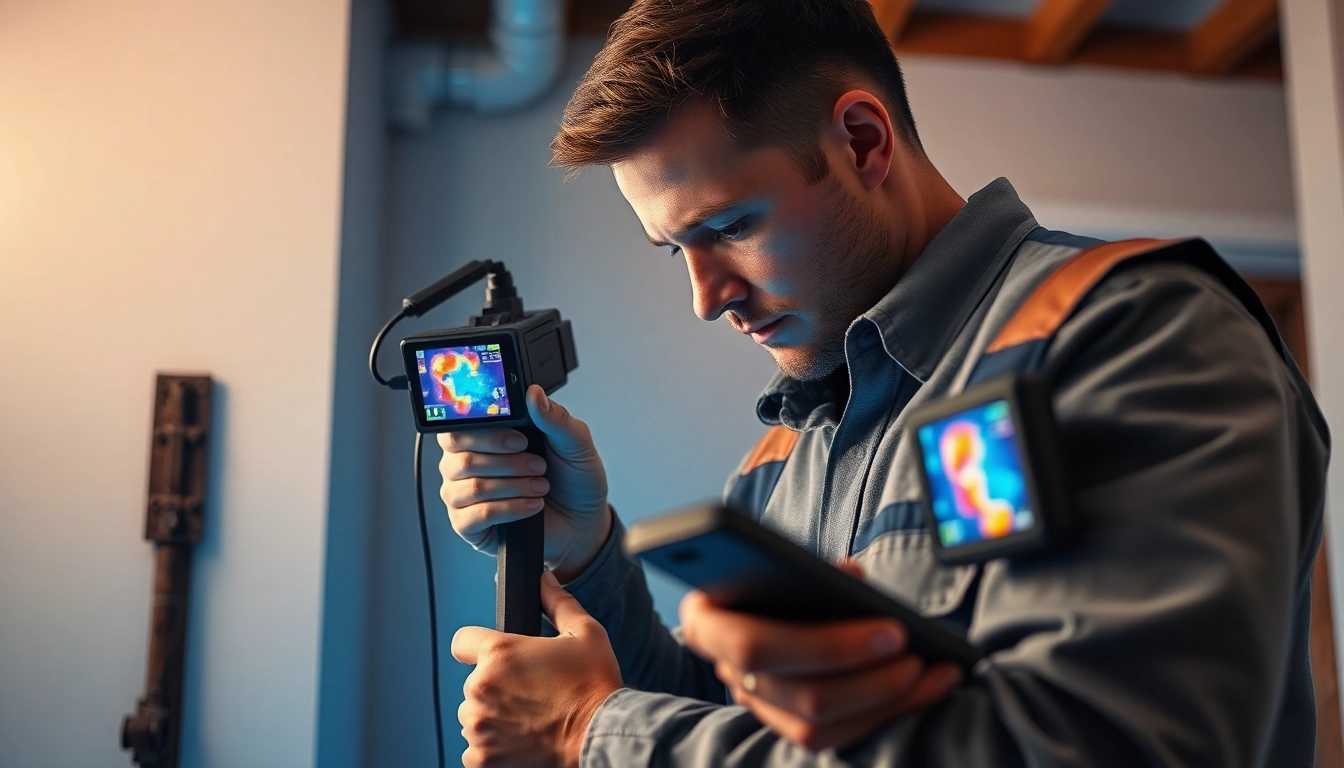
- Thermal Imaging: Using infrared cameras, technicians can detect temperature differences caused by leaks hidden behind walls or under floors.
- Acoustic Listening Devices: These devices pick up the sounds of escaping water or gas, even in inaccessible areas.
Advanced Technologies in Leak Detection
1. Thermal Imaging: Uncovering Hidden Leaks
Thermal imaging has revolutionized leak detection by allowing technicians to visualize temperature variations in surfaces and materials. When water leaks occur, they often cause temperature discrepancies, which thermal cameras can easily detect. This non-invasive method enables experts to locate leaks without causing damage to walls or floors, making it an efficient choice for homeowners.
2. Acoustic Devices: Sounding Out Problems
Acoustic leak detection relies on the principle that water escaping through a crack or hole creates distinct sounds. By using sensitive listening devices, technicians can identify these sounds even through solid structures. This method is particularly effective for locating leaks in buried or hidden piping systems, saving time and minimizing disruption during the inspection process.
3. Tracer Gas Method: Precision Leak Identification
The tracer gas method involves introducing a safe, odorless gas into the piping system, which can then be detected at the point of escape. This technique is especially useful for pinpointing small or hard-to-reach leaks. By utilizing specialized sensors, technicians can accurately identify the location of the leak, allowing for targeted repairs.
Common Types of Leaks in Domestic Properties
1. Hidden Water Leaks: Causes and Effects
Hidden water leaks can occur in many areas of a home, including behind walls, under floors, or within ceilings. Common causes include aged or deteriorated pipes, improper installation, and environmental factors such as ground movement. These leaks can lead to moisture buildup, structural damage, and mold growth if left undetected.
2. Gas Leaks: Risks and Detection Techniques
Gas leaks are a serious safety concern that can result in explosions or fire hazards. Common causes include faulty connections, damaged pipes, or wear and tear. Immediate detection is essential, and methods such as acoustic devices and pressure testing are often employed to identify gas leaks swiftly.
3. Heating System Leaks: Identifying and Resolving Issues
Leaks in heating systems can be particularly tricky to identify as they may not be immediately visible. These leaks can occur in pipes, radiators, or boiler systems, leading to heating inefficiencies and increased energy costs. Regular maintenance and inspections can help prevent these leaks and ensure the heating system operates efficiently.
Pain Points and Challenges in Leak Detection
1. Misconceptions About Leak Detection Costs
Many homeowners are hesitant to seek professional leak detection services due to misconceptions about costs. While initial inspections may seem pricey, the long-term savings from preventing water damage, mold, and structural issues far outweigh these costs. Understanding the value of proactive leak detection can lead to better financial decisions.
2. Challenges of Finding Hidden Leaks
Locating hidden leaks poses significant challenges, as standard plumbing inspections may not reveal the issue. Homeowners often may not recognize the signs of a hidden leak, leading to delays in detection and expensive repairs. Utilizing advanced technologies and professional expertise is essential in overcoming these challenges.
3. Understanding Insurance and Leak Coverage
Many homeowners are uncertain about their insurance coverage regarding leak detection and repairs. It’s important to understand your policy’s specifics, as some plans cover leak detection services while others do not. Familiarizing yourself with your coverage can help you navigate potential claims and ensure you’re adequately protected.
Best Practices for Leak Prevention and Maintenance
1. Regular Inspection and Maintenance Tips
Prevention is key to avoiding leaks and their associated damages. Homeowners should schedule regular inspections to identify potential issues. Simple steps like checking for visible signs of leaks, monitoring water bills for increases, and conducting seasonal maintenance can help spot issues early.
2. Utilizing Leak Detection Technologies Early
Employing advanced leak detection technologies early can prevent small issues from developing into bigger, more costly problems. Homeowners should consider investing in routine checks using thermal imaging or acoustic devices to stay ahead of potential leaks.
3. Future Trends in Leak Detection: Preparing for 2025
As technology continues to advance, so too does the field of leak detection. Trends such as smart home systems equipped with leak detection sensors and AI-driven diagnostics are on the rise. These innovations will allow homeowners to monitor their premises actively and receive real-time alerts about potential leaks, ensuring greater safety and efficiency in home maintenance.