
Understanding Free Computer Recycling
In our technologically driven society, the obsolescence of devices is a common occurrence. Old computers often find their way into landfills, contributing to environmental pollution and waste. However, there is a solution that not only helps the environment but is also cost-free: free computer recycling. Understanding the significance of recycling electronics can empower individuals and organizations alike to make cleaner choices.
The Importance of Recycling Electronics
Recycling electronics, particularly computers, is crucial for several reasons. Firstly, e-waste contains hazardous materials such as lead, mercury, and cadmium that can leach into the soil and water. By responsibly recycling, these harmful substances are managed properly and do not pose a threat to the environment or health. Secondly, recycling allows precious metals and other resources to be recovered and reused, reducing the demand for mining and resource extraction, which is often destructive to ecosystems.
What is Free Computer Recycling?
Free computer recycling refers to the processes set in place by various organizations, communities, and municipalities that allow individuals to recycle their unwanted electronics, including computers, without incurring any fees. This initiative is designed to promote responsible disposal while making it accessible for anyone to participate, creating a more sustainable future.
Benefits of Participating in Recycling Programs
Engaging in recycling programs carries numerous benefits. Not only does it facilitate a cleaner local environment, but it also offers peace of mind knowing that electronic devices are being disposed of in an eco-friendly manner. Furthermore, many programs are partnered with community initiatives, offering the chance to contribute to social causes and enhance community engagement. Recycling saves energy as well; producing new products from recycled materials often consumes less energy than creating products from virgin resources.
How to Prepare for Free Computer Recycling
Preparation is key when it comes to recycling computers. Knowing how to effectively prepare your device can streamline the recycling process and ensure that you’re protecting your personal information.
Steps to Take Before Recycling Your Computer
- Backup Important Data: Before taking your computer for recycling, ensure that all your important data is backed up properly. Use external storage devices or cloud storage options.
- Uninstall Programs: Remove any software that contains sensitive information. This step can help safeguard your data throughout the recycling process.
- Physical Cleaning: Dust out the interior and exterior so the device is clean for its next journey.
- Remove Accessories: Detach any peripherals, such as keyboards, mice, and cables, and prepare them for recycling if possible.
Data Security: Protect Your Information
One of the primary concerns when recycling computers is ensuring that personal data is kept secure. It is vitally important to wipe all data before disposal. Utilize applications like DBAN (Darik’s Boot and Nuke) to completely erase information, or consider physical destruction for sensitive files. Always verify that any recycling program meets data protection standards.
Choosing the Right Recycling Center
Selecting a reputable recycling center is crucial to ensuring your device is handled responsibly. Look for certifications such as R2 (Responsible Recycling) or e-Stewards, which indicate a commitment to safe and environmentally-friendly practices. Research reviews or testimonials to gauge the center’s reliability.
Local Options for Free Computer Recycling
Free computer recycling options are available in most communities. Local resources make it easy to find suitable programs, often providing regular events or permanent drop-off locations for e-waste.
Finding Recycling Locations Near You
Begin your quest for free computer recycling by searching for local recycling centers or municipal programs. Websites often provide maps or directories of participating locations, allowing you to find the nearest facility. Don’t forget to check local community boards or environmental organization announcements for special recycling events.
Community Programs and Events
Many communities host periodic e-waste collection events where citizens can drop off their devices. These events may be organized in partnership with local nonprofits or businesses and often include educational opportunities about responsible disposal. Stay connected with local community centers for updates on these events.
Local Laws and Regulations
Laws regarding e-waste disposal vary from region to region. Familiarize yourself with local regulations concerning electronic waste to ensure compliance. Many areas mandate recycling for certain electronics, making it essential to understand the laws to avoid potential penalties.
Innovative Approaches to Free Computer Recycling
Innovation drives the future of recycling. Today’s initiatives expand beyond traditional methods, tackling both environmental needs and community welfare through various creative approaches.
Corporate Social Responsibility in Electronics Recycling
Many companies are adopting corporate social responsibility (CSR) strategies to enhance sustainability efforts. By investing in recycling programs, firms create a positive public image while playing a crucial role in reducing environmental impact. Companies can encourage employees to participate in recycling initiatives, fostering a culture of responsibility.
Partnerships with Non-Profits for Sustainable Practices
Collaboration with non-profit organizations is becoming a popular avenue for implementing recycling programs. Non-profits often provide resources and expertise to run effective e-waste management programs, ensuring all proceeds benefit their missions. Such partnerships enable communities to unite for a sustainable cause while addressing local needs.
Advancements in Recycling Technology
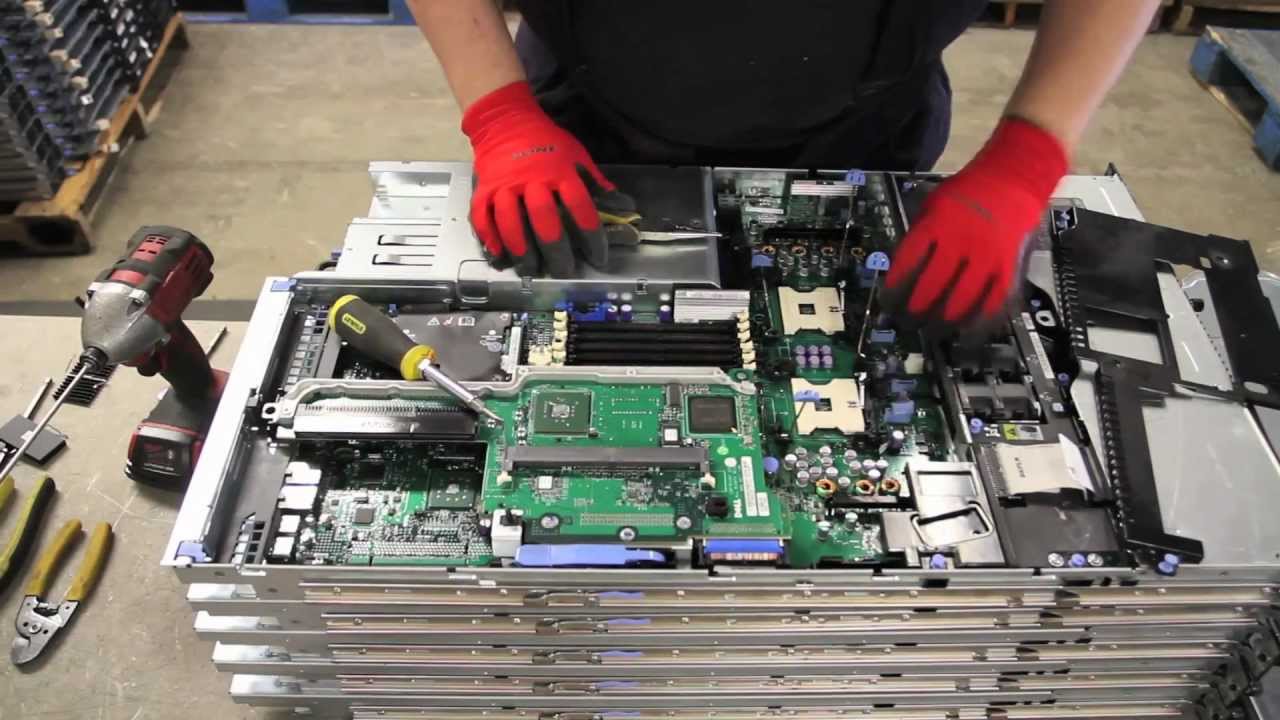
Technological advancements have dramatically improved the recycling process. The development of more sophisticated recycling facilities allows for more efficient material recovery and processing. Innovations, such as automated sorting technologies and eco-friendly extraction methods, create a cleaner, more cost-effective recycling system.
Frequently Asked Questions about Free Computer Recycling
What items can I recycle for free?
You can usually recycle desktop computers, laptops, monitors, printers, and other peripherals for free through designated programs. Check local guidelines for specifics.
Do I need to remove my personal data?
Yes, it’s essential to wipe personal data from your devices before recycling to protect your privacy. Tools like DBAN can help ensure all data is irretrievable.
Where can I find free recycling events?
Check local community boards, environmental organizations, or municipal websites to find announcements about upcoming recycling days in your area.
Are there any costs involved?
No, programs aim to promote responsible disposal without fees, allowing you to recycle without worrying about costs. Registration may sometimes be required.
What should I do if my device is damaged?
Many recycling centers accept non-functional devices for parts recovery. Contact your local center to clarify their policies regarding broken equipment.