

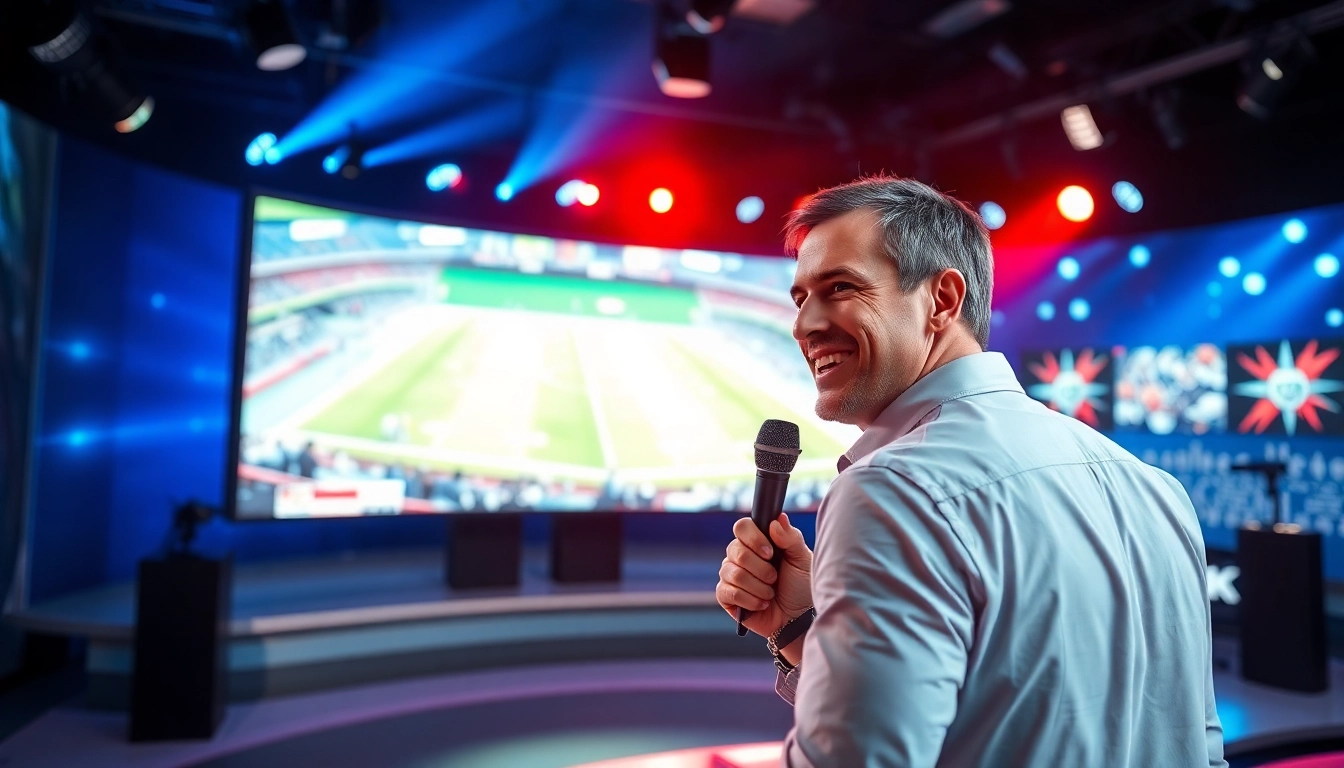
Understanding Sports Broadcasting Basics
Sports broadcasting is a dynamic industry that connects fans to their favorite teams and athletes, serving as a bridge between the action on the field and viewers at home. The landscape of sports broadcasting has evolved significantly over the decades, embracing technological innovations and shifting audience expectations. To gain a better understanding of this fast-paced environment, we will explore its evolution, key components, and the vital role technology plays in enhancing sports broadcasting experiences. This transformation enables an average sports fan to enjoy an enhanced viewing experience, contributing to the growth of the Sports Broadcasting sector.
The Evolution of Sports Broadcasting
From the first radio broadcasts of sports events in the early 20th century to today’s high-definition live streaming, sports broadcasting has undergone remarkable evolution. Initially, fans relied on local radio stations to catch live play-by-play commentary. The advent of television in the mid-20th century revolutionized the industry, bringing visual coverage of events into living rooms worldwide.
The introduction of cable television further expanded coverage and introduced specialized sports channels. The internet and digital streaming have taken the evolution to another level, allowing fans to watch games live or on-demand through various devices. This shift not only changed how consumers access content but also resulted in new business models and monetization strategies for broadcasters.
Key Components of Effective Sports Broadcasting
Successful sports broadcasting comprises several key components that work in harmony to deliver a captivating viewing experience. These components include:
- Production Quality: High-definition video and crystal-clear audio are essentials for keeping viewers engaged.
- Commentary: Knowledgeable commentators who articulate the nuances of the game add value and enhance viewer engagement.
- Graphics and Stats: Utilizing on-screen graphics to display statistics and player insights fosters a deeper understanding of the game.
- Viewer Interactivity: Engaging fans actively through social media or apps enhances viewer investment in the experience.
- Advertising and Sponsorships: Innovative ad placements that resonate with viewers can supplement revenue while keeping the broadcast’s integrity intact.
The Role of Technology in Sports Broadcasting
Technology acts as the backbone of modern sports broadcasting, enhancing every facet from production to distribution. Innovations like 4K resolution and immersive audio systems elevate viewer experiences. Additionally, the integration of analytics offers broadcasters real-time insights into viewer preferences, helping tailor content accordingly. Virtual and augmented reality segments are also redefining how events are consumed, allowing fans to experience their favorite sports in ways previously unimaginable.
Strategies for Engaging Sports Broadcasting
As the competition for viewers intensifies, engaging broadcasting strategies become pivotal. These strategies are designed to captivate audiences, enticing them not just to watch but to actively participate in the experience.
Creating Dynamic Content for Viewers
Dynamic content is a crucial element of successful sports broadcasting. It encompasses a variety of fulfilling elements, such as pre-game analyses, behind-the-scenes footage, player interviews, and curated highlight packages. Creating a narrative around the events and athletes keeps viewers coming back. Furthermore, innovative presentation formats, such as using drones for aerial views or wearable tech for player stats, create a more immersive experience that attracts and retains audiences.
Utilizing Social Media for Audience Engagement
Social media platforms serve as powerful tools for engaging viewers. Broadcasters can use platforms like Twitter and Instagram to provide real-time updates, polls, and exclusive content to deepen the connection with fans. Encouraging fans to share their experiences and thoughts fosters a sense of community, making them feel like they are part of the action. Engaging hashtags, live tweeting during games, and prompt responses to audience comments can significantly enhance interaction levels.
Balancing Entertainment and Information
While delivering information is essential, finding the right balance between entertainment and factual reporting is crucial. Viewers want excitement, stories, and emotional narratives intertwined with the sport’s statistics and facts. This can be achieved through engaging storytelling, creating dramatic tension in commentary, and featuring human-interest stories that resonate with audiences. The art of compelling storytelling can make the difference between a mundane broadcast and one that captures the audience’s imagination.
Metrics to Measure Success in Sports Broadcasting
As with any industry, measuring success in sports broadcasting involves analyzing various metrics that provide insights into audience engagement, content effectiveness, and overall performance.
Audience Reach and Demographic Insights
Understanding the audience is crucial for sports broadcasters. Metrics such as viewer numbers, demographics, and geography help shape programming decisions. With digital platforms, broadcasters can use analytics to identify which content resonates best with different audience segments, allowing them to tailor their offerings accordingly. Tracking age groups, gender distribution, and regional preferences leads to targeted marketing strategies that maximize engagement.
Analyzing Viewership Trends
Continuous analysis of viewership trends provides broadcasters with invaluable information on what works and what does not. By studying peak viewing times, drop-off rates, and audience retention during specific segments, networks can make informed decisions on programming and presentation strategies. Keeping updated with trends allows broadcasters to stay one step ahead in an ever-changing viewing landscape.
Feedback Mechanisms for Continuous Improvement
Implementing feedback mechanisms such as surveys, social media polls, and focus groups is essential for continuous improvement. Encouraging viewer input helps identify areas for enhancement and gauges audience sentiment regarding content. By regularly engaging with viewers and acting on their feedback, broadcasters can refine their approach, ensuring a more satisfying viewing experience.
Common Challenges in Sports Broadcasting
The sports broadcasting industry, while vibrant, faces various challenges that need to be managed effectively to maintain viewer engagement and operational efficiency.
Managing Live Events and Contingencies
Live broadcasting carries inherent unpredictability. Equipment failures, unexpected events, or changes in the schedule can disrupt planned coverage. Broadcasters must have contingency plans in place, such as backup equipment, alternative content, or flexible scheduling, to mitigate these challenges. A well-trained production team that can react quickly is invaluable for maintaining quality and professionalism during live events.
Dealing with Audience Expectations
In the age of instant access to content, audience expectations have soared. Viewers expect high-quality production, comprehensive coverage, and interactive experiences. Meeting these expectations requires ongoing investment in technology and talent, as well as innovative content strategies. Understanding what fans desire through rigorous market research helps in aligning production efforts with audience expectations.
Navigating Rights and Regulations
Broadcasting rights and regulatory compliance are persistent challenges in the sports broadcasting realm. Securing the necessary rights to air games and events can be complex, involving negotiations with leagues and stakeholders. Additionally, compliance with broadcasting regulations and licensing agreements is critical to avoid legal pitfalls. Developing relationships and clear communication lines with rights holders can streamline this process and ensure compliance.
Future Trends in Sports Broadcasting
Looking ahead, the sports broadcasting landscape is set to undergo further transformations, driven by emerging technologies and changing viewer habits.
Emerging Technologies Shaping Sports Broadcasting
Advancements in technology are reshaping how fans consume sports content. Innovations such as artificial intelligence (AI) for content personalization and machine learning for audience insights are becoming commonplace. As technology evolves, broadcasters must stay ahead of these trends to leverage new tools that can enhance viewer experiences and increase operational efficiency.
Virtual and Augmented Reality in Sports
Virtual Reality (VR) and Augmented Reality (AR) technologies offer exciting possibilities for immersive viewing experiences. These technologies allow fans to feel as if they are part of the action, whether it’s experiencing the thrill of being on the sidelines or gaining deeper insights into game strategies through augmented replay. The blending of physical and digital worlds presents a unique avenue for engagement that broadcasters are beginning to explore.
Personalizing Viewer Experiences
Personalization is quickly becoming essential in the sports broadcasting industry. By leveraging data analytics, broadcasters can create tailored viewing experiences that cater to individual preferences. From custom alerts for favorite teams to interactive features like multi-cast options, personalized experiences enhance viewer satisfaction and loyalty, making it easier for fans to engage with content on their terms.
Frequently Asked Questions
What is sports broadcasting?
Sports broadcasting refers to the distribution of sports content, including live events, commentary, and analysis, through various media channels to audiences worldwide.
How has technology impacted sports broadcasting?
Technology has enhanced production quality, viewer engagement, and accessibility through innovations like high-definition streaming, social media integration, and AI analytics.
How can audience engagement be improved?
Engaging audiences can be enhanced through social media interaction, dynamic content, and balancing entertainment with informative commentary, fostering a deeper connection with fans.
What are the main challenges in sports broadcasting?
Key challenges include managing live events, meeting audience expectations, and navigating broadcasting rights and regulations, all of which require strategic planning.
What are future trends in sports broadcasting?
Future trends include the integration of virtual and augmented reality, personalized viewing experiences, and the use of emerging technologies to enhance content delivery.